The State of the Agriculture Workforce: What Today’s Professionals Really Want
Insights from over 1,200 job seekers uncover key trends shaping hiring in agriculture, horticulture, food, and biotech. 65% are likely to explore new roles within the next year, 82% say salary transparency impacts applications, and 84% say the hiring experience influences offer acceptance.
Today’s agriculture professionals are more open to new opportunities than many employers realize, but they are also more selective in how they evaluate roles. This shift in job seeker behavior means employers must compete not just for attention, but for trust, clarity, and overall candidate experience.
65% are likely to look for a new job within the next year
77% would at least listen if contacted about a new opportunity
86% look at jobs at least occasionally
However, openness does not equal commitment...
53% would consider another offer even after accepting one
41% say a counteroffer would make them likely to stay with their current employer
TAKEAWAY: Job seekers are open, but openness doesn’t equal commitment.
Treat every applicant like they’re evaluating multiple options, because they are
Follow up within 24–48 hours at every stage to keep candidates engaged
Clearly outline next steps and timelines after each interaction
Train hiring managers to sell the role, not just screen candidates
Transparency is Critical
Salary transparency and clear benefits information are now critical factors in the job application process. Job seekers expect upfront details, and missing compensation or benefits information can prevent qualified candidates from applying.
Salary Details
82
%
say missing salary information affects whether they apply.
TAKEAWAY: If key details aren’t shared upfront, candidates may never enter the funnel.
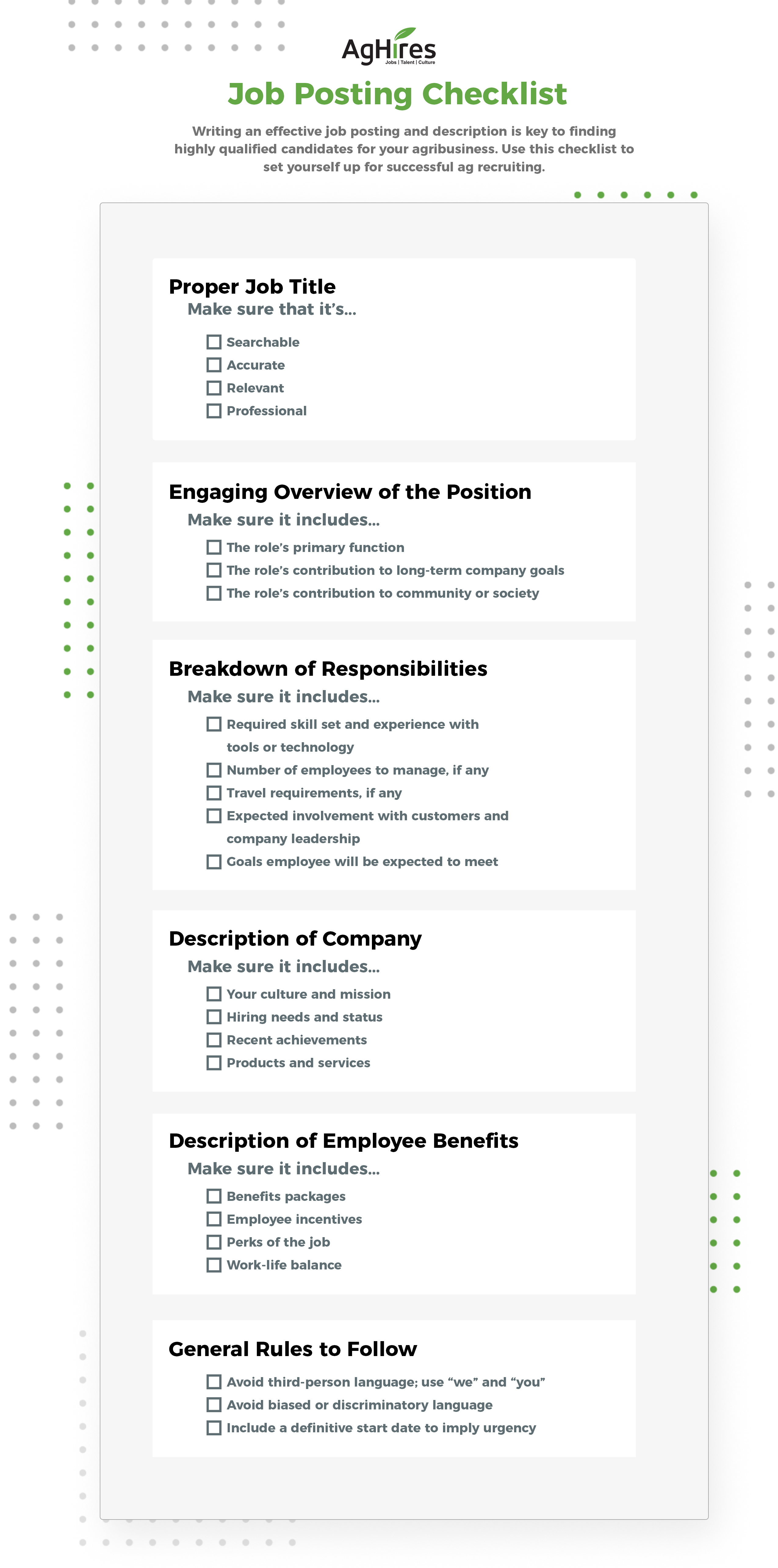
Include salary range, benefits, and day-to-day duties in every job posting
Add a short “what you’ll get” section to make the value clear
Assume candidates will not reach out for missing information, they’ll just move on
Clearly outline travel expectations, including frequency, distance, and whether overnight travel is required
The Job Description Is a Decision Point
Job descriptions play a major role in candidate decision-making, but today’s professionals are not reading every detail. They scan for key information and quickly decide whether to apply, making clarity and focus more important than length.
Most professionals are either actively or semi-actively open.
40
%
will not apply if they don't meet all listed qualifications
However,
60
%
will still apply even if they don't meet all qualifications
TAKEAWAY: Overly detailed job descriptions can limit your candidate pool.
Cut job descriptions down to must-haves only (3–5 core requirements)
Move “nice-to-have” qualifications into a separate, clearly labeled section or remove them
Keep postings scannable with short paragraphs and bullet points
Test shorter versions and track application rate improvements
Reputation and Culture Drive Decisions
Employer branding, company reputation, and workplace culture are now essential parts of the hiring process. Candidates actively research employers before applying, making online presence and employee experience critical to attracting and retaining talent.
87
%
say a company's reputation influences their decision to apply.
91
%
say employer branding impacts their decision to apply.
92
%
say company culture is important.
93
%
are researching employee reviews.
85
%
are likely to check the company's social media before applying.
TAKEAWAY: Candidates evaluate your company before they even apply.
Google your company like a candidate would and fix obvious gaps or negatives
Keep your careers page and social profiles active and up to date
Showcase real employee stories, not generic company messaging
Respond to reviews when appropriate to show engagement
The Hiring Process Is Where Employers Lose Candidates
The hiring process plays a critical role in whether candidates stay engaged or drop out. Today’s job seekers expect a process that is clear, efficient, and responsive. When applications take too long, communication is delayed, or expectations are unclear, even highly interested candidates may disengage before reaching the offer stage.
Top Job Seeker Frustrations with the Job Search Process
Technology continues to reshape the hiring process, from video interviews to AI-driven recruiting tools. While candidates are open to these advancements, they still expect a human-centered hiring experience, especially in early interactions.
If AI handled the first interview,
43
%
would still be interested in the job.
But,
44
%
still feel uncomfortable about AI-led video interviews.
The comfort with AI in the hiring process declines with age.
Comfort with AI in the hiring process generally declines with age, but not in a straight line. While mid-career professionals (26–45) show the highest comfort levels, younger candidates (16–25) are slightly less comfortable than expected. This suggests that familiarity with technology does not always translate to trust in AI-driven hiring, reinforcing the need for a balanced, human-centered approach.
16-25
35%35%
26-35
43%43%
36-45
42%42%
46-55
42%42%
TAKEAWAY: Technology should support the hiring process, not replace human connection.
Use automation for scheduling and screening, not relationship-building
Ensure every candidate has at least one real human interaction early in the process
Avoid fully automated or AI-only interviews for most roles
Clearly explain any technology used so candidates know what to expect
Monitor candidate feedback to catch points where technology feels impersonal
What Drives Offer Acceptance
Accepting a job offer is influenced by more than compensation. Today’s job seekers evaluate the entire hiring process, including communication, transparency, and overall experience, before making a final decision.
Top Factors Candidates Consider On New Job Offers:
say a positive experience during the hiring process impacts their decision to accept an offer.
Ages 26–45 rank positive hiring process #1
Ages 16–25 and 46+ rank compensation #1
Company culture stays top 4 across all age groups
Job security rises in importance in mid-career
TAKEAWAY: Compensation matters, but the hiring experience influences the final decision.
Keep communication consistent, even when there are delays
Set expectations upfront and stick to them
Make interviews organized and respectful of the candidate's time
Follow up quickly after final interviews to maintain trust
Remember, the process is part of your offer, not separate from it
Early Turnover Is About Mismatch, Not Money
Employee retention is closely tied to the hiring process and early job experience. Misalignment between job expectations and reality is one of the leading causes of early turnover, making clear communication and accurate job representation critical.
21%
21%
Job Wasn’t as Described
20%
20%
Poor Leadership
20%
20%
Toxic Culture
18%
18%
Unclear Expectations
12%
12%
No Flexibility
9%
9%
Not enjoying day-to-day tasks
TAKEAWAY: Retention is driven by alignment, not just compensation.
Be clear about role expectations, challenges, and success metrics upfront
Avoid overselling the role just to fill a position
Involve direct managers early so expectations are aligned
Use the interview process to confirm mutual fit, not just qualifications
Reinforce expectations again during onboarding to reduce early turnover
Turn Hiring Insights Into Hiring Action
Today’s job seekers are more informed, selective, and experience-driven than ever before. Employers that adapt their hiring process, communication style, and employer brand to meet these evolving expectations will be better positioned to attract and retain top talent in agriculture, horticulture, food production, and biotech.
Use these findings to identify opportunities within your recruiting strategy, improve the candidate experience, and stay competitive in an increasingly selective hiring market.
Let us help you with your recruitment needs. Finding your next hire starts with a simple conversation.

%20Redesign%202025/Facebook-1.svg)
%20Redesign%202025/Instagram-1.svg)
%20Redesign%202025/LinkedIn-1.svg)
%20Redesign%202025/youtube-brands-solid-full.svg)

%20Redesign%202025/handshake.svg)


%20Redesign%202025/navigation.svg)


%20Redesign%202025/Facebook.svg)
%20Redesign%202025/Instagram.svg)
%20Redesign%202025/LinkedIn.svg)
%20Redesign%202025/Youtube.svg)