Understanding the evolving job seeker trends in agriculture is crucial for making informed hiring decisions. Our comprehensive report dives deep into the data to provide actionable insights for employers in the agriculture sector.
We had 708 participants employed within the agricultural industry residing in the United States. The majority of participants were male (60%). While the age of participants ranged from 15 to 56+, the largest percentage of participants were between the ages of 26 and 35. Respondents work in various roles within the agriculture industry, the most common being sales/marketing, farm management, and farm employee positions.
How are candidates searching for jobs?
What do candidates want to find in a job description?
What do candidates want in a job?
What are the top factors candidates look for in a job?
What are candidates' job search frustrations?
To understand the most effective mediums to attract job applicants, we asked respondents how they discovered their current or most recent job, and where they would start if they were to search for a new job.
When searching for jobs, candidates use:
When you can, utilize as many platforms as possible to get your position in front of more job seekers.
Your job description, many times, is the first touch point with a job seeker, meaning you want to make a good first impression. The content and length of a job description play a significant role in a job seeker’s overall interest and likeliness to apply for a position.
70% |
express a higher likelihood of applying for the job when salary information is provided. |
74% |
said they are more inclined to apply for the job when benefits information is included. |
55% |
are unlikely to apply when no benefits are offered, whereas 45% are still open to applying. |
53% |
would feel discouraged from reading a job description that extends beyond 2 pages or 400 words. |
38% |
would not apply if they didn’t have a qualification that was listed as preferred, not required. |
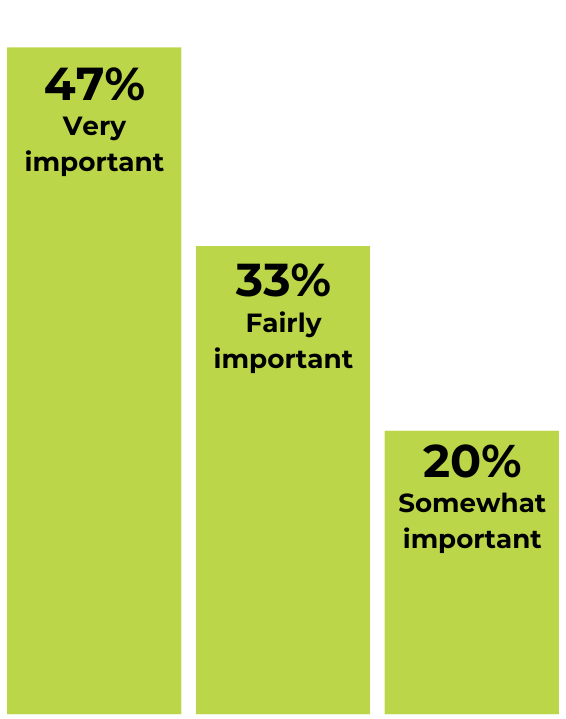
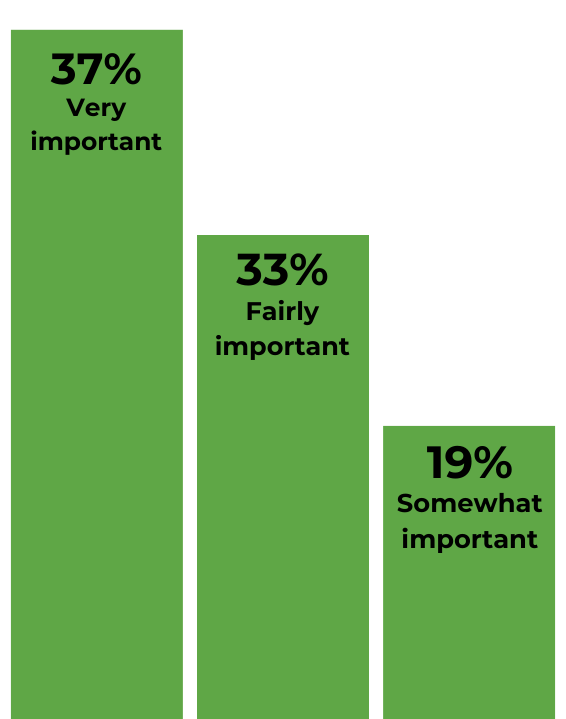
When writing your job description, think about what candidates are looking for to attract them to apply. Candidates look for:


Interestingly, when considering a new job offer, candidates placed compensation at the 7th spot and benefits at the 8th in their list of priorities. Suggesting that, while salary and benefits remain important, other factors play a more critical role in the decision-making process for candidates.
When looking for a job, candidates find the following important:
Think about if the above attributes relate to your farm or agribusiness and how you can showcase them in your job description and branding. Can you improve on any of the above?
To help keep candidates engaged and interested in your role, it’s important to understand how you can improve your hiring process experience. We analyzed the key factors that turn candidates off from a company’s application and/or interview process.

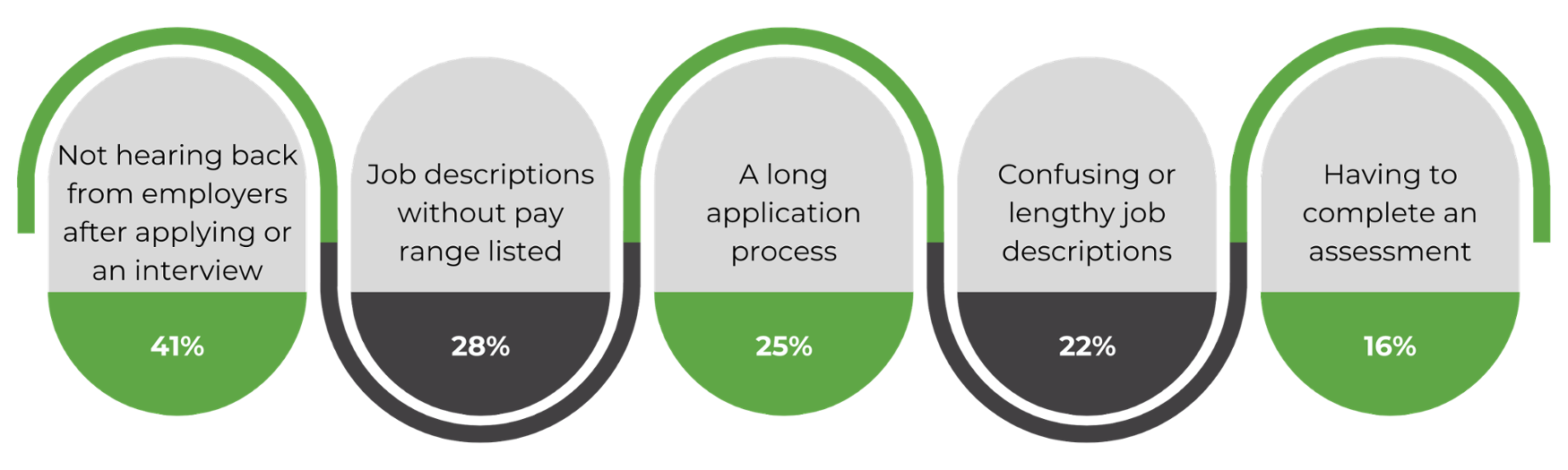
The most common frustrations candidates experience when job searching include:
Consider your job descriptions, application, and hiring process, and make changes where you can to alleviate these candidates’ frustrations.
To improve the overall hiring process and experience for candidates, we must understand their views on key aspects of the hiring process and what may or may not attract them about a company’s procedure. Timing throughout the hiring process is also a key factor that can heavily impact a candidate’s continued interest in a position, potentially even more so than the actual interview steps.
35% |
Expect an application to take 6-10 minutes to fill out. |
31% |
Expect an application to take 2-5 minutes to fill out. |
23% |
Are comfortable with an application that takes 11 minutes or more to complete. |

53% |
Prefer 1-2 interviews. |
36% |
Find 3-4 interviews acceptable. |
44% |
Find it standard to hear back within 4-7 days. |
38% |
Want to be contacted with in 3 days or less. |
In the hiring process, candidates prefer:
What does your hiring process look like? Are there changes you could implement to make the hiring process more seamless and keep candidates engaged longer?
indicated they would at least listen and consider a new job if contacted by a company or recruiter today.
express willingness to listen and consider a new opportunity even after accepting a job offer, but before their start date.
indicate that it is likely they will be looking for a new job within the next year.
While passive recruiting can take a lot of time and energy to seek out candidates, it can really enrich your pool with quality candidates. If you don’t know where to start with passive recruiting, AgHires is here to help. Our expert ag recruiters form a deep partnership with you to understand your needs and take care of all the details for you. Let us build your dream team by showcasing your organization and recruiting top-qualified talent.